Companion Care Services for Seniors in Florence, AL, That Make Home Feel Less Alone
Companion care services for seniors in Florence, AL, provide non-medical support that helps an older adult stay socially connected, engaged, and comfortable at home. Companion care gives seniors someone to talk with, share meals with, accompany them on errands, and spend meaningful time.
For many families, the need begins quietly. A parent may still manage most of the household but spend long stretches alone. Favorite activities become less frequent. Grocery trips feel like a chore. Even a simple afternoon can feel different when there is no one around to talk to.
Peace of Mind Care provides personalized companion care designed around those everyday realities. Our caregivers can offer conversation, social engagement, light household assistance, meal preparation, errands, reminders, and transportation support while respecting the routines and preferences that make home feel like home.
Peace of Mind Care provides companion care through established care arrangements tailored to each client’s needs.
What Does Companion Care for Seniors Include?
Companion care is non-medical in-home support focused on social connection, everyday assistance, and participation in meaningful activities. It can include conversation, hobbies, shared meals, errands, light housekeeping, appointment reminders, and accompaniment during outings without replacing skilled medical or nursing services.
The exact mix of support can be shaped around the senior rather than around a fixed checklist. Peace of Mind Care currently identifies several companion-care activities, including conversation, games and hobbies, reading, music and reminiscence, meal preparation, errands, light housekeeping, appointment reminders, and transportation assistance.
Conversation and social connection:
Sitting together, talking about the day, listening to stories, or simply providing company.
Meal preparation:
Preparing a simple meal or snack and sharing mealtime rather than leaving a senior to eat alone.
Light housekeeping:
Helping keep commonly used areas organized and manageable.
Social engagement:
Encouraging a senior to maintain routines, hobbies, relationships, and activities that matter to them.
What Does Companion Care for Seniors Include?
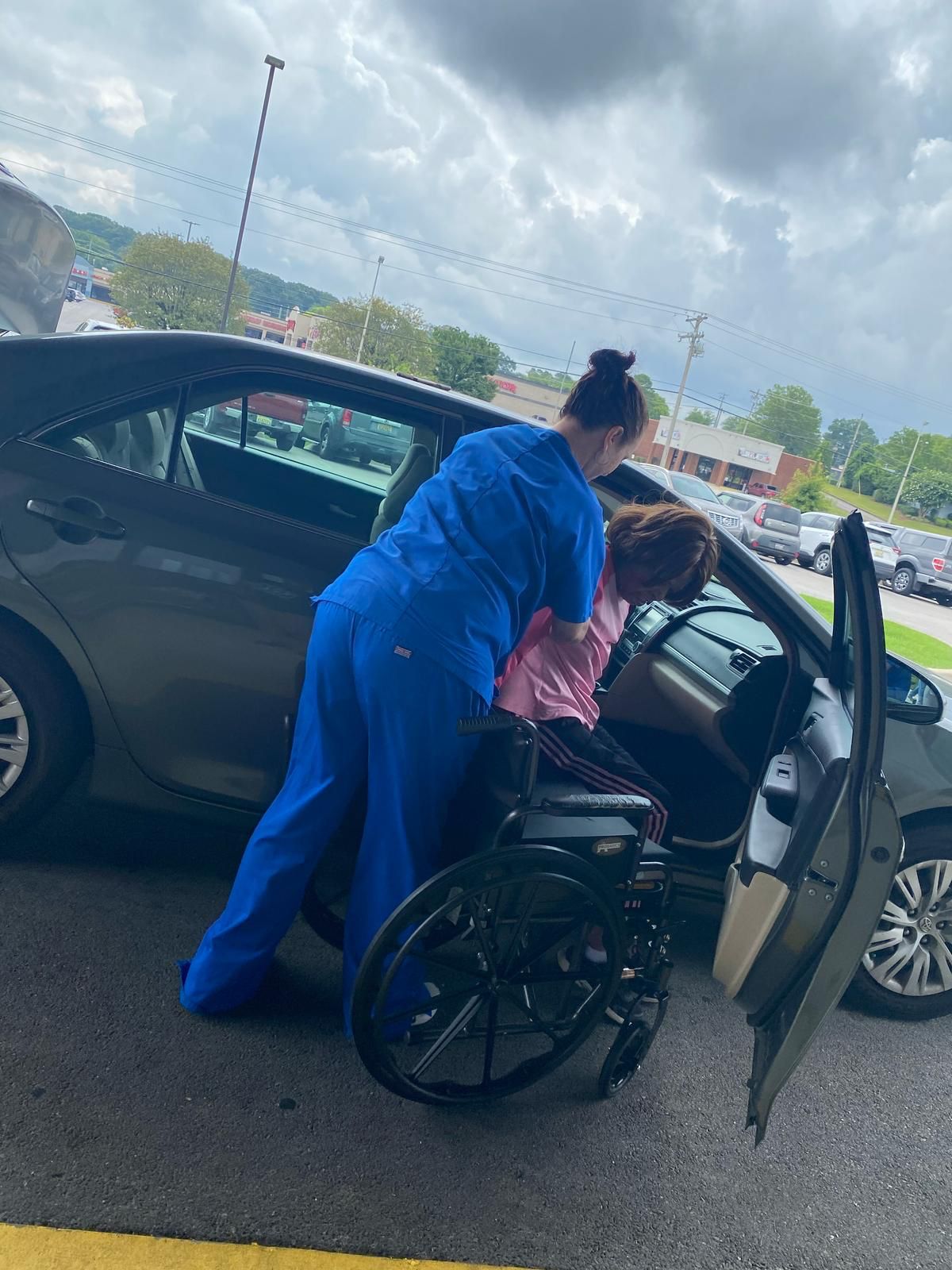
Transportation and accompaniment:
Supporting participation in appointments, social activities, shopping, or other outings where transportation assistance is appropriate.
Appointment and schedule reminders:
Providing reminders that help the day stay organized.
Shared activities:
Reading, puzzles, cards, music, crafts, television, gardening, or other familiar interests.
Errands and shopping:
Helping with grocery trips, household errands, or other routine outings.
When Is Senior Companion Care a Practical Choice?
Senior companion care can be useful when an older adult remains relatively independent but would benefit from regular social interaction, help with everyday routines, or another person nearby during portions of the day. It is particularly relevant when family members cannot consistently provide companionship themselves.
Consider companion care when:
- A senior spends much of the day alone.
- Family members are concerned about increasing social isolation.
- An older adult has stopped participating in favorite hobbies or routines.
- Grocery shopping or simple errands have become difficult to manage alone.
- Preparing meals has become less appealing because the senior is eating alone.
- A spouse or family caregiver needs additional support.
- A senior would enjoy having someone accompany them on walks, outings, or social visits.
- The family wants someone to provide a friendly presence and practical support without introducing unnecessary hands-on care.
Companion care does not require a senior to be completely dependent. In fact, it can be appropriate precisely because the person still wants to remain active and involved in their own life.
A typical afternoon can look simple
Imagine an older adult who lives at home and is physically capable of preparing a small lunch but rarely does because there is little motivation to cook for one. A companion caregiver might arrive, prepare lunch together, talk over the meal, help organize a few things around the kitchen, and accompany the senior on a short errand.
Nothing about that afternoon needs to look like a clinical appointment. The value comes from having practical help and human connection built naturally into the person’s existing routine.
What Can Companion Care Look Like in the Home?
In-home companion care works best when it fits the senior’s established routines rather than forcing a new schedule on them. A caregiver can become a familiar presence who supports ordinary parts of the day while leaving the senior involved in decisions about meals, activities, errands, and personal preferences.
We strive to provide consistency in caregiver assignments whenever possible, helping recurring companion care feel familiar, comfortable, and personal.
For example, a care visit might include:
Starting with the senior's routine:
Choosing meaningful activity:
Handling practical tasks:
Getting out of the house:
Ending with continuity:

Companion Care vs. Personal Care: What Is the Difference?
Companion care primarily supports social connection, engagement, and everyday activities, while personal care involves hands-on assistance with tasks such as bathing, dressing, grooming, toileting, and mobility. The two services can overlap, but they address different levels and types of daily support.
A senior who mainly needs company, meal preparation, errands, and help staying engaged may benefit from companion care. Someone who cannot safely manage bathing, dressing, toileting, or other personal routines may need personal care instead.
Peace of Mind Care separately describes personal care as hands-on assistance with hygiene, bathing, dressing, mobility, toileting, and related daily needs.
In some situations, a family may need both. For example, a senior might need personal assistance with getting ready in the morning and companion support later in the day for meals, errands, and social activities.
Companion Care vs. a Home Health Aide: Are They the Same?
Companion care and home health aide services are not interchangeable terms. Companion care is centered on non-medical social and practical support, while a home health aide may provide hands-on personal care as part of a home-health plan or other care setting.
The distinction matters when a family is searching for “companion care near me” but actually needs hands-on assistance.
The Alabama Department of Public Health identifies home health services as a broader healthcare category that can include skilled nursing, physical therapy, medical social services, and home health aide services.
Peace of Mind Care’s companion service is positioned differently. We are a nurse-led home care company, providing non-medical companionship and everyday assistance such as social engagement, errands, meals, light housekeeping, and transportation support.
If a loved one needs clinical care, wound care, therapy, medication administration, or another skilled service, a non-medical companion caregiver is not a substitute for the appropriate healthcare professional.

What Makes Peace of Mind Care's Companion Service Different?
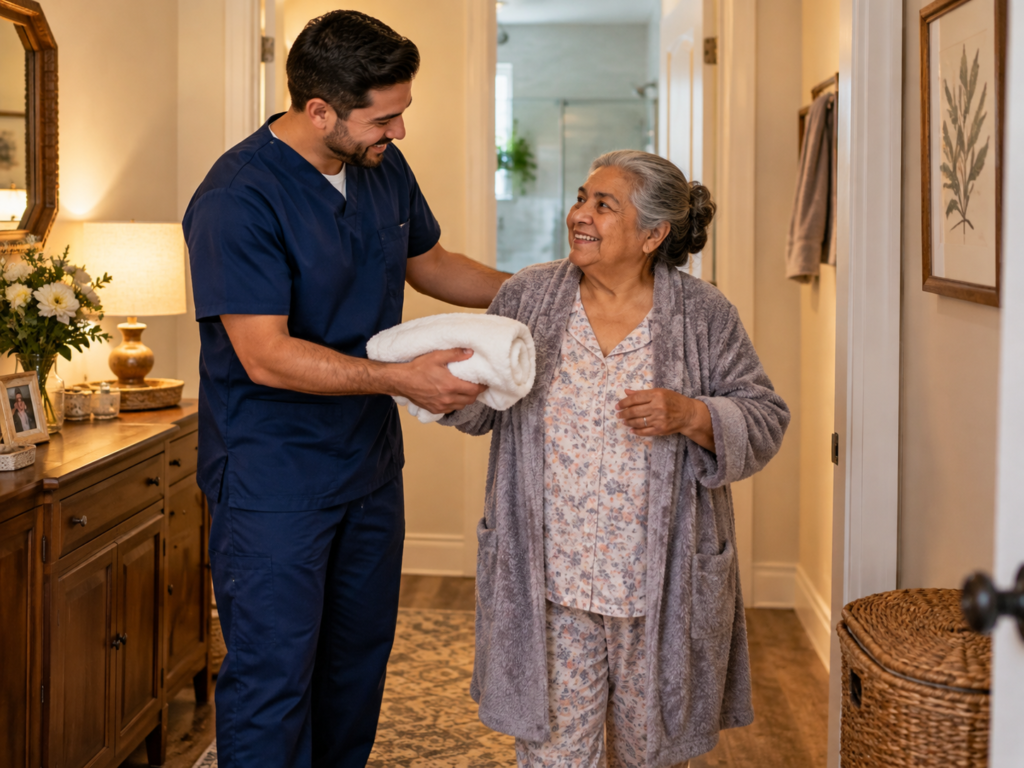
Companion care works best when the caregiver understands the person, not simply the task list. Peace of Mind Care builds care plans around individual needs and preferences and works closely with families to coordinate care. We have years of experience providing personalized home care services to families.
That approach matters in companion care because familiarity can make everyday interaction easier. A caregiver who knows that a client enjoys old music, prefers breakfast at a particular time, likes to walk after lunch, or looks forward to a weekly shopping trip has useful context for making a visit meaningful.
Our caregiver hiring and preparation process includes screening, background checks, and training to help ensure caregivers are prepared to provide dependable, respectful support.
Companion caregivers do not diagnose conditions or provide skilled medical treatment. Their role is to provide appropriate assistance while treating the senior as an individual with preferences, routines, relationships, and choices.
Frequently Asked Questions About Senior Companion Care
What is companion care for seniors?
Companion care is non-medical in-home support that helps seniors remain socially engaged and active in their daily lives. Services can include conversation, shared activities, meal preparation, errands, light housekeeping, reminders, transportation assistance, and companionship.
How often can a companion caregiver visit?
The frequency of companion care depends on your loved one's needs and established care arrangement. We work with families to create a schedule that provides meaningful companionship and support while remaining within Peace of Mind Care's service requirements.
Is companion care only for seniors who live alone?
No. Companion care can benefit seniors who live alone as well as those who live with a spouse or family member. It can provide additional social interaction, practical help, or family caregiver relief when another person in the household cannot be available throughout the day.
Can a companion caregiver help with errands and meal preparation?
Yes. Companion caregivers can assist with everyday tasks such as grocery shopping, errands, simple meal preparation, light housekeeping, and accompanying a senior during appropriate outings. The specific tasks should be established as part of the individual's care plan.
Can companion care help an older adult who feels isolated?
Yes. Regular companionship can give an older adult more opportunities for conversation, shared activities, hobbies, outings, and social interaction. Companion care is not a medical treatment for loneliness, but consistent human connection can make daily life more socially engaging.
Does companion care include bathing, dressing, or toileting assistance?
Companion care is generally focused on companionship and everyday assistance rather than hands-on personal care. When a senior needs help with bathing, dressing, toileting, grooming, or similar personal tasks, a personal care service may be more appropriate. Peace of Mind Care offers personal care separately for these needs.
How do I know whether my loved one needs companion care or personal care?
Companion care is generally appropriate when a senior primarily needs companionship, social interaction, and support with everyday routines. Personal care may be more appropriate when assistance with activities such as bathing, dressing, grooming, or other personal-care routines is needed. We can discuss your loved one's needs with you and help determine which type of support is appropriate.
How Much Does Companion Care Cost?
The cost of companion care depends on factors such as the number of hours requested, frequency of visits, scheduling needs, and the type of assistance included. Contact Peace of Mind Care to get an individualized estimate based on the actual care schedule.
Give Your Loved One More Connection in the Place They Know
A senior does not always need intensive care to benefit from having another person there. Sometimes the right support is a familiar caregiver who shares a meal, listens to a story, helps with an errand, or makes an ordinary afternoon feel less isolated.
Peace of Mind Care provides personalized, non-medical companion care designed around the senior's routines and the family's needs. If you are exploring elderly companionship services or in-home companion care, talk with Peace of Mind Care about what support would fit your loved one's day.
Contact Us